Wandsworth Council Permits for Putney Removals Explained
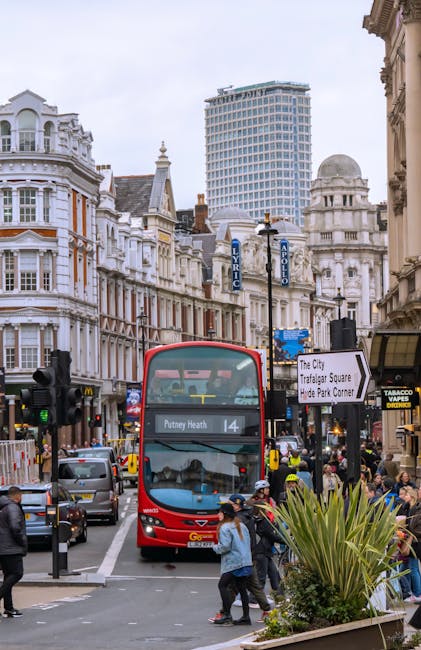
If you are moving in Putney, the council permit question can feel like one more thing on a very long list. Boxes everywhere, keys changing hands, a sofa that somehow looks bigger than it did in the showroom... and then someone mentions parking permissions. That is exactly why Wandsworth Council Permits for Putney Removals Explained matters. It is not just admin. It can affect whether the van can stop near your property, whether your move runs on time, and whether you avoid an awkward morning spent circling the block.
This guide breaks the topic down in straightforward English. You will learn when a permit or parking suspension may be needed, how the process usually works, what to check before moving day, and how to avoid the most common mistakes. We will also cover practical planning tips for flats, houses, student moves, and office relocations in Putney and the wider Wandsworth area.
Key takeaway: if the vehicle involved in your move cannot legally load or unload outside your property, planning for a council permit or parking control early is one of the simplest ways to save stress.
Why Wandsworth Council Permits for Putney Removals Explained Matters
Putney is a busy part of London. Streets can be narrow, parking can be tight, and loading space can disappear fast, especially around peak commute times and on residential roads with controlled parking. If you are moving house, flat, or office, the main issue is simple: the removal vehicle needs a lawful place to stop long enough to load or unload safely.
That is where council permits or parking arrangements come in. In practice, people often use the term "permit" to cover a few different things: a parking bay suspension, a temporary loading permission, or another council-managed arrangement that helps the vehicle stop where it needs to. The exact requirement depends on the road, the property, the size of the vehicle, and local restrictions. And yes, that can vary more than you might expect.
Why does this matter so much? Because a move that seems perfectly straightforward on paper can unravel quickly if the vehicle cannot park near the entrance. Even a short walk with heavy boxes becomes slower, riskier, and more tiring. If you have a sofa to move down a staircase or a fridge to manoeuvre through a hallway, every extra metre counts.
For renters in particular, the situation can be stressful. You may have a fixed handover time, a lift booking, or a landlord who expects the property to be cleared quickly. In that kind of move, a parking problem can snowball into missed appointments or extra labour time. That is not ideal for anyone, let's face it.
If you are using a professional mover, it is worth checking whether they understand the local parking setup and whether they offer guidance on permits or suspensions. A good removal team will usually ask about access early, because access is half the battle. If your move is part of a wider home relocation, services such as home moves and house removals are often planned around exactly this sort of detail.
How Wandsworth Council Permits for Putney Removals Explained Works
The process is usually less mysterious than people think. In broad terms, you identify whether your move location sits on a road with parking restrictions, controlled bays, yellow lines, limited waiting rules, or other access controls. Then you work out whether the vehicle can legally stop to load or unload without causing an issue.
For some properties, the answer is yes. You may have a private drive, a forecourt, or enough safe access for the van to park temporarily in a nearby unrestricted spot. In other cases, especially in busier Putney streets, you may need a council-managed parking arrangement or a suspension of a bay so the removal vehicle can use that space during the agreed window.
There is a practical reason this matters for removals. A removal truck, van, or large estate vehicle is not the same as a quick errand car. Loading takes time. Furniture may need to be wrapped, carried, and loaded in sequence. If the vehicle has to keep moving because it is parked illegally or inconveniently, the whole job becomes stop-start and inefficient.
The exact steps can differ depending on the street and the nature of the restriction, so it is wise not to assume that "everyone does it this way". That shortcut causes trouble. The safer approach is to verify the rules for your exact address and moving date, then plan the vehicle size and arrival time around those constraints.
In many cases, the removal company will help you think through this part of the move. If you need a smaller vehicle for a tighter street, a removal van or man and van style service may be more practical than a larger truck. If the property is compact or access is awkward, that choice alone can save a lot of faff.
What the council is really controlling
- Where a vehicle may stop
- How long it may stay
- Whether space can be reserved for loading
- How other road users remain safe and unblocked
- Whether your move creates a traffic or pavement issue
That is the heart of it. Not paperwork for paperwork's sake. It is about access, safety, and keeping the road usable.
Key Benefits and Practical Advantages
Getting the permit question sorted early can feel boring at first, but it has real upside. The biggest benefit is predictability. Once you know where the vehicle will stop, the rest of the move can be scheduled with more confidence. Packers know where to bring boxes. The team knows how far to carry items. You know what time to hand over keys without a panic spiral at 10 a.m.
Another big benefit is reduced risk. If a vehicle is forced to park far away, the number of lifts and carries increases. That may seem like a minor inconvenience, but it can lead to avoidable strain, slower loading, and greater chance of knocks to furniture. Nobody wants a chipped table because the van had to stop two streets away in drizzle.
There is also a financial angle. Delays can add labour time. In some situations, a failed parking plan can affect the overall cost of the move. While nobody can quote a fixed amount without the exact location and vehicle details, good planning normally gives you a better shot at keeping the job tidy and efficient. If you are comparing options, the team behind pricing and quotes can help you understand what the move may involve before the day arrives.
For business customers, the advantage is even clearer. A commercial move often runs on a tight schedule because staff, equipment, and opening times all matter. If you are relocating a workspace, parking access and loading control can be essential. Services like commercial moves and office removals are usually much smoother when the access plan is settled early.
And there is a quieter benefit that people sometimes overlook: peace of mind. Once the moving date gets close, your head is full enough. Knowing the parking side has been dealt with removes one of those background worries that keeps buzzing away while you are trying to sleep.
Practical summary: a permit or parking arrangement is not just about following rules. It is about making the move safer, faster, and more manageable for everyone involved.
Who This Is For and When It Makes Sense
Not every Putney removal needs council involvement, and that is worth saying clearly. If you have a private driveway, a large forecourt, or unrestricted loading access close to your door, you may not need any parking control at all. But in many parts of Putney, the reality is less generous.
This section is especially relevant if you are:
- moving from or to a flat with restricted street access
- using a large van or removal truck on a narrow residential road
- moving during a busy weekday when parking is scarce
- relocating from an office in a controlled parking area
- handling a student move with a time limit and lots of boxes
- moving a bulky or fragile item, such as a piano or large wardrobe
For smaller, faster moves, a man with a van service may be enough. For more complex jobs, a larger vehicle from removal truck hire might be more suitable. The right choice depends on the property, the volume of belongings, and how close the vehicle can legally get to the entrance.
Student removals are a good example. End-of-tenancy dates often create a rush, and everyone seems to move at once. Streets fill up. Lifts are booked. Tempers rise a little, naturally. In that setting, small planning errors become annoying very quickly. If you are in that situation, student removals with the right access plan can make the difference between a calm handover and a very long afternoon.
Flat moves also deserve special care. Shared entrances, stairwells, loading restrictions, and nearby bays all need a bit of thought. A service like flat removals can be a better fit when the access picture is more complicated than a standard house move.
Truth be told, the moves that feel easiest to organise are usually the ones where someone asked the parking question early rather than assuming it would work out. That small bit of caution pays off.
Step-by-Step Guidance
Here is the simplest way to handle the permit and parking side of a Putney removal without turning it into a project of its own.
- Check your exact address and road layout. Is the property on a controlled parking street? Are there yellow lines, loading restrictions, or bay controls nearby?
- Decide what size vehicle you actually need. A smaller van may fit access better, while a larger truck may reduce the number of trips. The right answer depends on the move, not on guesswork.
- Estimate loading time realistically. A one-bedroom flat and a three-bedroom house do not need the same stop time. Be honest here. Everyone underestimates it once or twice.
- Check whether a permit, suspension, or other arrangement is needed. If the road space is controlled, plan for that early rather than on the morning of the move.
- Book the removal date with access in mind. Avoid the noisiest peak periods if you have flexibility. School-run traffic and commuter parking pressure are real things in London.
- Prepare the property. Keep hallways clear, protect floors if needed, and make sure boxes are labelled so the loading sequence is smooth.
- Confirm the plan the day before. Double-check the vehicle, arrival time, and any special access notes. A quick call can save a lot of inconvenience.
If you are packing yourself, services such as packing and boxes or packing and unpacking services can also reduce the pressure on moving day. And if you need somewhere to keep items during a staggered move, storage can make the whole thing less cramped.
A small but useful habit: keep a printed or written note of the move details in your pocket or phone. Address, time, contact number, access notes. Old-school, maybe. Handy? Absolutely.
Expert Tips for Better Results
The first tip is to treat access like a moving task, not an afterthought. If you plan the route from the van to the front door, you can often spot problems before they happen. For example, a hallway full of suitcases looks harmless until you realise it blocks a sofa carry. The same applies to parking: the closer the vehicle gets, the easier the day tends to be.
Second, think about the building environment. In some Putney streets, it is not the permit itself that causes headaches; it is the practical reality of double parking, tight bends, or other vehicles occupying the spot you were expecting to use. A little buffer time is sensible. Not glamorous, but sensible.
Third, match the vehicle to the property. If your home is a first-floor flat with a tight stairwell, a smaller vehicle with quicker manoeuvrability may be more useful than a huge truck. If you are moving a full family home, a larger van or truck may reduce overall trips. The best option is the one that suits your access and volume together.
Fourth, use specialist help when the item list is awkward. Heavy or delicate items such as a piano, large dining table, or antique cabinet deserve more care. That is where a service like piano removals or furniture removals becomes very practical. It is not just about muscle. It is about moving things safely through awkward spaces.
Finally, keep your paperwork tidy. Terms, insurance, and safety details may sound like the boring bit, but they matter when you want reassurance about how the job will be handled. Pages such as insurance and safety, health and safety policy, and terms and conditions are worth reviewing before you commit. It is one of those things you are grateful for later, even if it feels tedious now.
Common Mistakes to Avoid
Here is where people get caught out most often.
- Assuming parking will sort itself out. It often does not, especially in busy parts of Putney.
- Booking the wrong vehicle size. Too small means more trips. Too large can mean worse access. Neither is ideal.
- Forgetting about time windows. If the permit or parking arrangement is time-specific, arriving late can cause chaos.
- Not checking for nearby restrictions. Sometimes the spot looks fine until you notice the yellow line round the corner.
- Leaving packing too late. Delayed packing slows loading, which can break the parking plan.
- Ignoring building rules. A landlord, managing agent, or concierge may have separate instructions. They are worth following.
One especially common issue is underestimating how long it takes to move heavy items from a top-floor flat or from a home with awkward access. When that happens, the vehicle stays parked longer than planned, and the pressure builds. Not the end of the world, but a nuisance. Better to avoid it.
Another mistake is treating the permit question as something only the removals team needs to worry about. In reality, you are usually best placed to confirm the exact street, building access, and any site-specific rules. A few minutes of checking can save a lot of back-and-forth later.
Tools, Resources and Recommendations
You do not need a huge toolkit to manage this well. What you do need is a clear set of facts about your move.
- Your full address and the exact moving date
- Details of the road layout, including where the van could stop
- Building access information, such as lifts, entry codes, or concierge rules
- An honest estimate of belongings, especially bulky furniture
- Photos of the street or entrance, which can help with planning
- A written inventory so the loading order is organised
If you are comparing providers, use removal companies and removal services pages to understand the range of help available. Some moves need just transport. Others need packing, dismantling, loading, and storage as well. A one-size-fits-all approach is rarely the best fit.
For customers who want a more hands-on or flexible approach, man with a van and man with van options can be a practical middle ground. If the job is larger, a moving truck may be more efficient. The main thing is to choose based on access and volume, not habit.
If you are a bit unsure at this stage, that is normal. Most people are not moving every week. A decent removals plan should make the unknowns smaller, not bigger.
Law, Compliance, Standards, or Best Practice
This topic touches parking control, road use, moving safety, and sometimes building access rules. Because of that, it is sensible to be careful rather than casual. The exact permit or parking requirement depends on the specific street and the relevant local rules in force at the time of your move. It is not wise to rely on hearsay from a neighbour or a post from a few years ago.
Best practice is to confirm the situation early, document the access plan, and avoid parking where the vehicle could cause obstruction or unsafe loading. Removal work also benefits from clear safety expectations: protected lifting, sensible load handling, and proper insurance cover. Those are not fancy extras; they are the basics that keep the day calm and controlled.
For customers, the most useful compliance questions are usually these:
- Is the vehicle stopping legally?
- Is there enough access space to load safely?
- Are there any building or estate rules to follow?
- Has the company explained its insurance and safety approach?
- Do the terms and conditions make the process clear?
If you are moving a workplace, you may also want to think about security, timing, and staff coordination. A move is not just a transport task; it is often an operational event. That is why office relocation services can be worth considering when the logistics are more involved than a standard home move.
For trustworthy providers, look for sensible communication and a clear process rather than flashy promises. Calm, specific answers are usually a better sign than big claims. That is true in removals, and probably in most parts of life too.
Options, Methods, or Comparison Table
Different move types call for different access strategies. The table below gives a simple comparison so you can see how the choice often works in practice.
| Move type | Likely access need | Best fit | What to watch for |
|---|---|---|---|
| Small flat move | Often limited kerb space | Smaller van or compact loading plan | Stairs, lifts, and time windows |
| Family house move | May need longer loading time | Van or truck depending on volume | Parking distance and item size |
| Student move | Short turnaround, busy roads | Fast-loading van service | End-of-term congestion |
| Office relocation | Controlled entry and timing | Structured commercial move | Access coordination and downtime |
| Bulky item move | Extra manoeuvring space | Specialist furniture or piano handling | Doorways, lifts, and protection |
There is no single "best" method. The right choice depends on whether you are prioritising speed, capacity, flexibility, or access. For some readers, a small van close to the door is ideal. For others, one larger load is better than several smaller trips. The trick is knowing which pressure point matters most in your situation.
Case Study or Real-World Example
Here is a realistic example from the kind of move many people in Putney face.
A couple moving from a second-floor flat near a busy residential road assumed the van could stop directly outside. On inspection, the available parking was restricted during the morning window they needed. If they had left it there, the vehicle risked being moved on before loading was complete. Not ideal.
Instead, they changed the plan. They selected a smaller vehicle, packed the non-urgent items the day before, and arranged the loading so the larger furniture came out first. They also left a clear path from the front door to the street and kept the lift booked for a tight window. The result was not magical, just organised. The move felt steady rather than frantic.
A similar situation comes up with offices. One small business relocating from Putney found that the biggest problem was not the volume of items but the timing. Staff needed to clear desks before the building's access cut-off. The permit and loading plan mattered because a late vehicle would have pushed the move into the next day. In that case, the practical answer was a more structured service such as office removals with a coordinated arrival time.
The lesson is simple: when access is tight, planning beats luck. Every time.
Practical Checklist
Use this checklist a few days before moving day. It keeps things grounded.
- Confirm the full moving address
- Check whether the road has parking restrictions
- Decide if the vehicle can stop close enough to load safely
- Choose the right vehicle size for your belongings
- Book any permit, suspension, or access arrangement needed
- Tell the removals team about lifts, stairs, and entry codes
- Pack and label boxes clearly
- Keep a copy of your move plan handy
- Review insurance, safety, and terms information
- Allow a little buffer time for the unexpected
Small reminder: the move day usually goes better when the kerbside plan is settled before the kettle is boiling and the first box is halfway down the stairs.
If you want a company overview before booking, you can also look at about us to get a feel for the team behind the service. And if you have questions about process or availability, contact us is the natural next step.
Conclusion
Wandsworth Council permits for Putney removals can sound more complicated than they are. In reality, the issue comes down to one thing: can your removal vehicle legally and safely stop where it needs to stop? Once you answer that, the rest of the move becomes easier to plan, easier to price, and easier to carry out without stress.
The best approach is to check access early, choose the right vehicle, and make sure everyone involved understands the parking and loading plan. Whether you are moving a flat, a family home, a student room, or an office, that bit of preparation often saves the day.
And honestly, that is what most people want from a removal service: a day that feels controlled, not chaotic. Calm is underrated.
Get a free quote today and see how much you can save.
If you are still weighing up the right support, start with the basics, ask clear questions, and take it one step at a time. The move will come together. It usually does, especially when the details are handled with care.
Frequently Asked Questions
Do I always need a permit for a Putney removal?
No, not always. If the vehicle can legally stop on private property or in a suitable unrestricted space, a permit may not be needed. The need depends on the street, local restrictions, and the type of loading involved.
What is the difference between a parking permit and a parking suspension?
People often use the terms loosely, but they are not always the same. A permit usually refers to permission to park or load under certain conditions, while a suspension typically reserves or temporarily removes a bay from normal use. The exact arrangement depends on the road and council rules.
How far in advance should I sort out parking for my move?
As early as you reasonably can. A few days may be enough in some cases, but leaving it too late is risky. If your move date is fixed, parking should be one of the first logistics questions you check.
Can a removals company help me with the permit process?
Many removal companies help you plan the access side of the job, and some will advise on what information they need from you. It is always worth asking early so everyone knows who is doing what.
What if the road outside my home is too narrow for a large van?
That is where vehicle choice matters. A smaller van may be a better fit, or the move may need a different loading plan. In some cases, you may need to park a little further away and build in more carrying time.
Does a flat move need different planning from a house move?
Usually, yes. Flats often involve shared entrances, stairs, lifts, and tighter access points. That makes parking and loading plans even more important, especially in busy streets.
Will parking problems make my move more expensive?
They can, depending on how much extra time or labour is needed. Nothing is guaranteed, but poor access often makes a move less efficient. That is why planning matters before the day starts.
Are office moves treated differently from home removals?
They can be. Offices often need stricter timing, building access arrangements, and a tighter handover schedule. Commercial moves usually benefit from a more structured plan.
What should I ask a removal company before booking?
Ask how they handle access, what vehicle they recommend, whether they have insurance and safety information available, and what happens if the parking situation changes. Straight answers are a good sign.
Is a man and van service suitable for a tight Putney street?
Often, yes, especially for smaller moves or quick loading jobs. A man and van or man with van setup can be easier to position than a larger truck, though it still depends on the road and the amount to move.
What if I also need temporary storage during the move?
That is fairly common, especially when dates do not line up neatly. Using storage can give you breathing room if you need to move in stages or clear a property before the next one is ready.
How do I know if my move is eligible for a smaller vehicle?
Look at the volume of belongings, the number of large furniture pieces, and the access route. If you are unsure, it is usually better to describe the move in detail rather than guess. The more accurate the information, the better the recommendation.